

Vow & Carat — Buyer’s Playbook
How to Buy a Diamond Online (Without Regret)
A process-first guide that protects you from the two biggest regret triggers: buying a diamond that underwhelms in real life, and overpaying for paper perfection.
By Nassim Parker — Diamond Buying Analyst (12+ Years)
Buying a diamond online used to feel like a gamble. Today, it can be the smartest way to buy— if you follow a process that protects you from the two things that cause almost all regret:
- Buying a diamond that looks worse in real life than it did in your head
- Overpaying for “paper perfection” that doesn’t improve what the eye actually sees
If you’re reading this, you’re already ahead of most buyers.
How do I buy a diamond online with confidence—without getting tricked by marketing, overwhelmed by specs, or ending up with a dull stone?
This guide is built for modern, savvy buyers. It’s a system, not a lecture.
This guide is built for modern, savvy buyers. It’s a system, not a lecture. You’ll learn how to:
- Choose the right online retailer (and avoid the wrong ones)
- Use a “cut/optics-first” framework that protects sparkle and visual beauty. Read our diamonds cut guide for more info
- Shop efficiently without spending weeks lost in filters
- Understand what grading reports can’t tell you—and how to cover the gap
- Navigate settings, metal choices, sizing, shipping, returns, warranties, and ownership
- Make a final decision with a checklist that eliminates panic and second-guessing

Nassim Parker — Diamond Buying Analyst
I publish in-depth retailer reviews (including James Allen and Blue Nile). Some links may be affiliate links, but conclusions never change: I prioritize criteria you can verify yourself— grading reports, optical performance evidence, and consumer protection policies.
Let’s build your diamond-buying plan.
What to Avoid
- Picking a diamond that looks worse in real life than it did in your head.
- Overpaying for “paper perfection” that doesn’t improve what the eye actually sees.
- Letting marketing + specs overwhelm you until you’re stuck in decision paralysis.
- Shopping the 4Cs like a spreadsheet — and missing the actual beauty drivers.
- Choosing a weak retailer that can’t protect you if reality doesn’t match expectations.
What to Do
- Buy with a system, not vibes — confidence comes from process.
- Protect the “wow” by focusing on cut & optics before anything else.
- Don’t scroll forever: shortlist quickly, then verify with video + report.
- Certificates aren’t the whole story—use inspection evidence + return protection to cover the gap.
- Finish with a final checklist so you click “buy” without the spiral.
The Online Diamond Buying Truth (What Most Guides Won’t Say Clearly)
Online diamond buying is not hard because diamonds are complicated. It’s hard because:
- You can’t physically compare stones instantly
- You’re making an emotional purchase under time pressure
- Retailers overwhelm you with options and the illusion of precision
- Many buyers shop for “spec wins” instead of beauty wins
A diamond is a visual product being sold through numbers.
The numbers matter, but they don’t finish the job.
Most regret doesn’t come from “choosing the wrong color grade.” It comes from choosing a diamond that looks flat, hazy, dark, or smaller than expected, despite the certificate sounding perfect.
The goal is not “find the highest grades.” The goal is:
Find a diamond that looks incredible on the hand—at the best possible value—with policies that protect you if reality doesn’t match expectations.
That’s what this guide does.
The Buyer Psychology That Drives Satisfaction (And Prevents Regret)
Savvy diamond buyers aren’t the ones who memorize the 4Cs. They’re the ones who manage risk and emotion properly.
Online diamond buying triggers 5 psychological traps:
Trap 1: “If I buy higher grades, I’m safer.”
Higher grades can still look worse than lower grades if the stone has poor light performance or transparency issues.
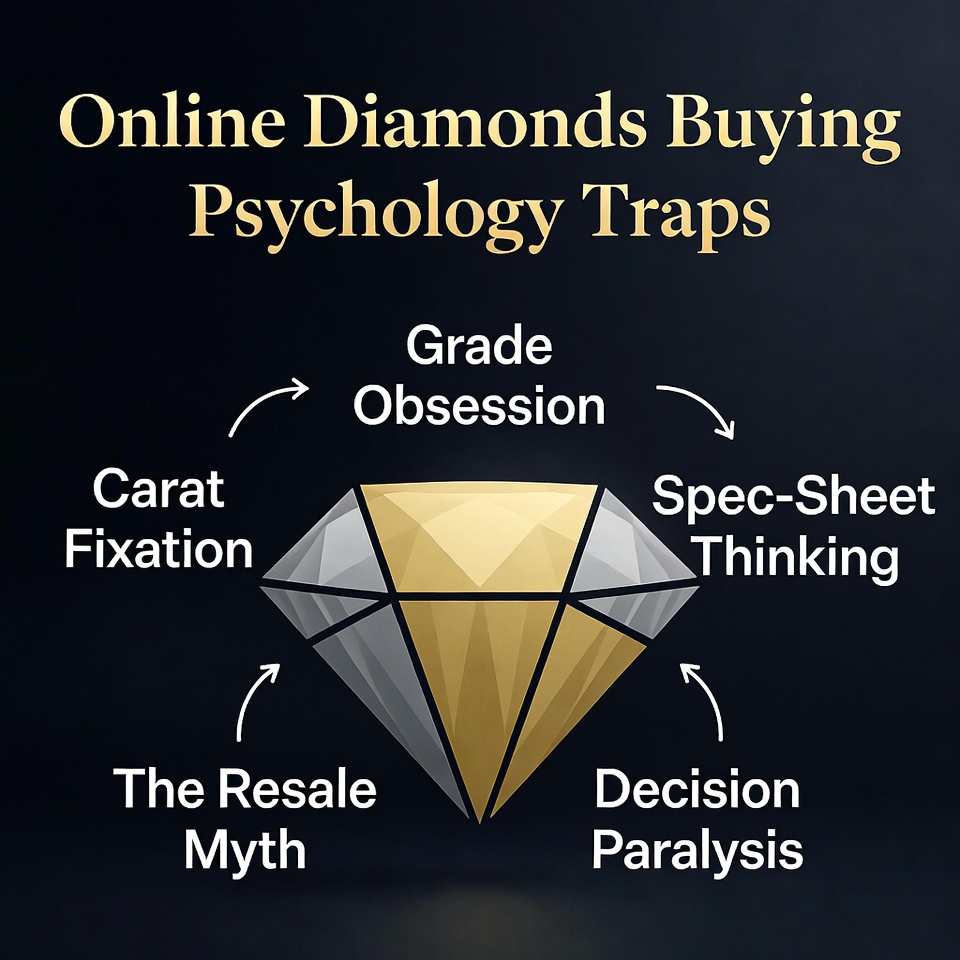
Trap 2: “I can pick a diamond like I pick a laptop.”
The same specs can look different; cut precision and transparency are not fully captured by a single grade line.
Trap 3: “If I wait longer, I’ll feel more certain.”
Often waiting increases fatigue and decision paralysis. The right move is a process that produces confidence quickly.
Trap 4: “The biggest carat I can afford is automatically best.”
People notice sparkle before they notice carat.
Trap 5: “Resale value will matter.”
Diamonds are not liquid assets. Buy for beauty and meaning first, not “investment.”
Your satisfaction comes from two things:
- How it looks and feels every day
- Whether you feel you bought intelligently and safely
We’re going to design for both.
Step 0: Decide What You’re Actually Buying (And Why)
Before filters and specs, you need clarity on what kind of buyer you are, because it changes the best strategy.
A) What matters most?
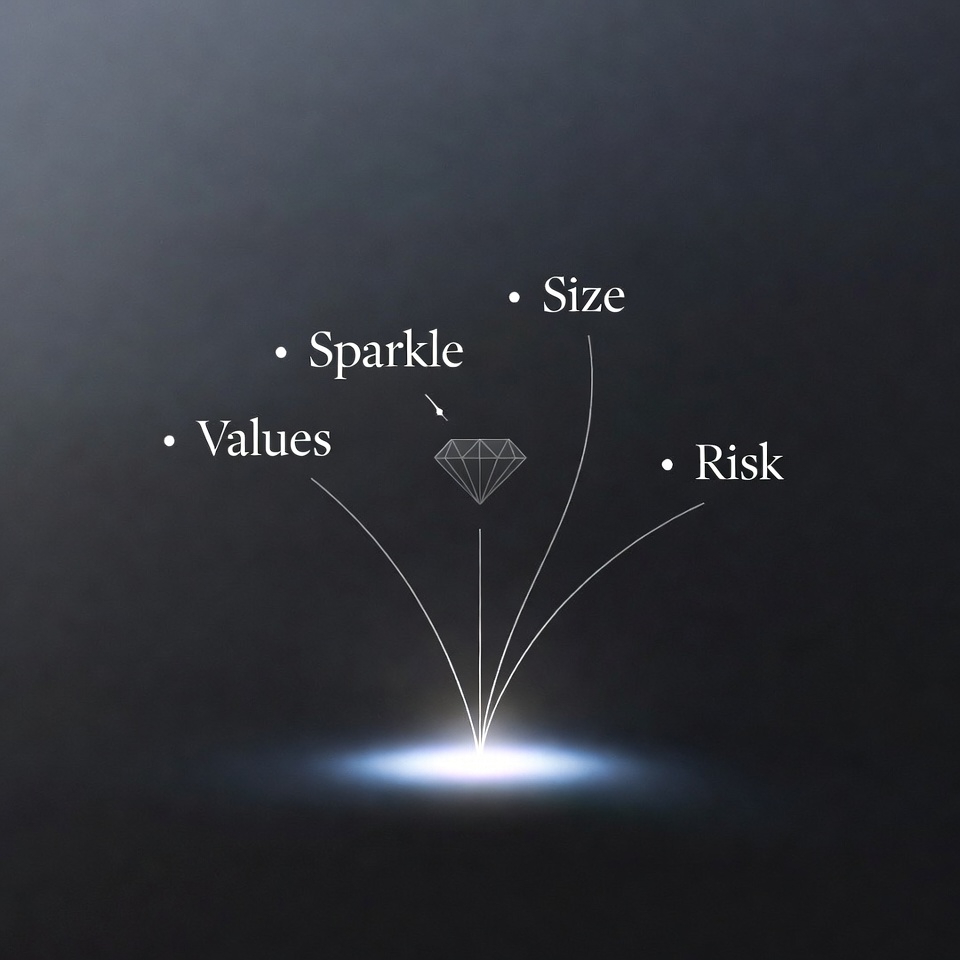
- Maximum sparkle and “wow”
- Maximum size for the money
- A balance of beauty and value
- Natural rarity/tradition
- Ethical sourcing priority
- Minimal regret risk / strong safety nets
B) How sensitive are you to imperfection?
Some buyers see everything. Some just want a diamond that looks amazing at normal distance.
C) What’s your timeline?
A rushed timeline changes strategy: prioritize reliable shipping, faster turnaround, and strong customer service.
D) What is your real budget ceiling?
Not “what you hope.” The number where you won’t feel sick.
Buyer clarity is conversion clarity.
Step 1: Choose the Right Online Retailer
If you pick a strong retailer, you can recover from mistakes. If you pick a weak retailer, even a good diamond can become a headache.
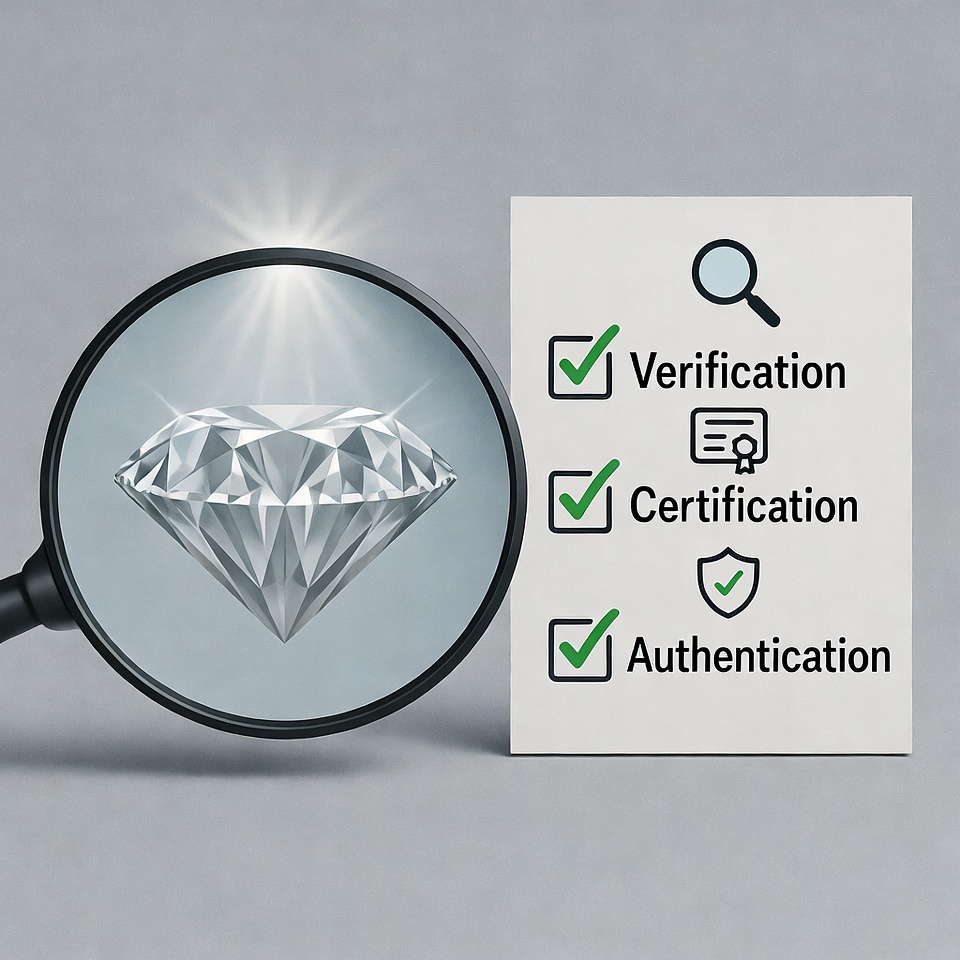
1) Transparent inspection evidence
You need consistent imagery (video, high magnification, or both) to assess:
- brilliance and contrast patterns
- inclusion type and placement
- edge crispness
- transparency issues (haze/milkiness)
- undertone risk in lab-grown
2) Strong consumer protection policies
Returns, exchange windows, warranty clarity, resizing eligibility, and clear condition requirements.
3) Solid inventory + filtering
Large inventory is only helpful if you can filter diamonds efficiently and compare intelligently.
4) Clear grading report access
You should be able to view the report (not a vague summary).
5) Trust signals that matter
Not “5-star reviews.” Real trust signals:
- clear business identity and support availability
- consistent policies
- transparent product documentation
- a track record in the category
Where James Allen and Blue Nile fit
- James Allen: strong visual inspection tools + buyer-friendly experience when you know what to look for.
- Blue Nile: one of the strongest overall “safe” choices for broad inventory + established platform (with careful optics screening).
Pick a retailer that helps you verify beauty and protects you if it doesn’t match expectations.
Step 2: Stop Shopping the 4Cs Like a Spreadsheet (Use “Visibility First”)
A smart online buyer prioritizes:
- Cut/optics (beauty engine)
- Transparency (no haze)
- Inclusion placement (eye-clean reality)
- Color strategy (value and metal choice)
- Carat and spread (visual size)
The “eye test” principle
Your goal isn’t “flawless on paper.” Your goal is “looks flawless on the hand.”
Step 3: Build a Smart Budget (Hidden Costs Buyers Miss)
Your real spend is not just “diamond price.”
- Diamond cost
- Setting cost (varies wildly)
- Taxes/shipping (depends on location)
- Optional protection (insurance)
- Maintenance over time
Two budget rules that prevent regret
Rule 1: Reserve “regret margin.” Don’t spend your absolute ceiling on the diamond itself.
Rule 2: Spend where you’ll see it. Overspending often comes from clarity/color beyond visibility.
Step 4: Choose Natural vs Lab-Grown (Without Getting Emotionally Hijacked)

Choose lab-grown if:
- You want maximum size for the money
- You care about beauty-per-dollar
- You’re not counting on resale
- You want a big look without natural pricing
Choose natural if:
- You care about rarity and tradition
- You want stronger long-term value retention (not guaranteed)
- You want the “earth-made” story
- You’re okay with smaller size for the same budget
Important YMYL note: Neither is an “investment.” Buy for meaning and daily joy first.
Step 5: Pick the Shape Using Risk Tolerance (Not Just Aesthetic)
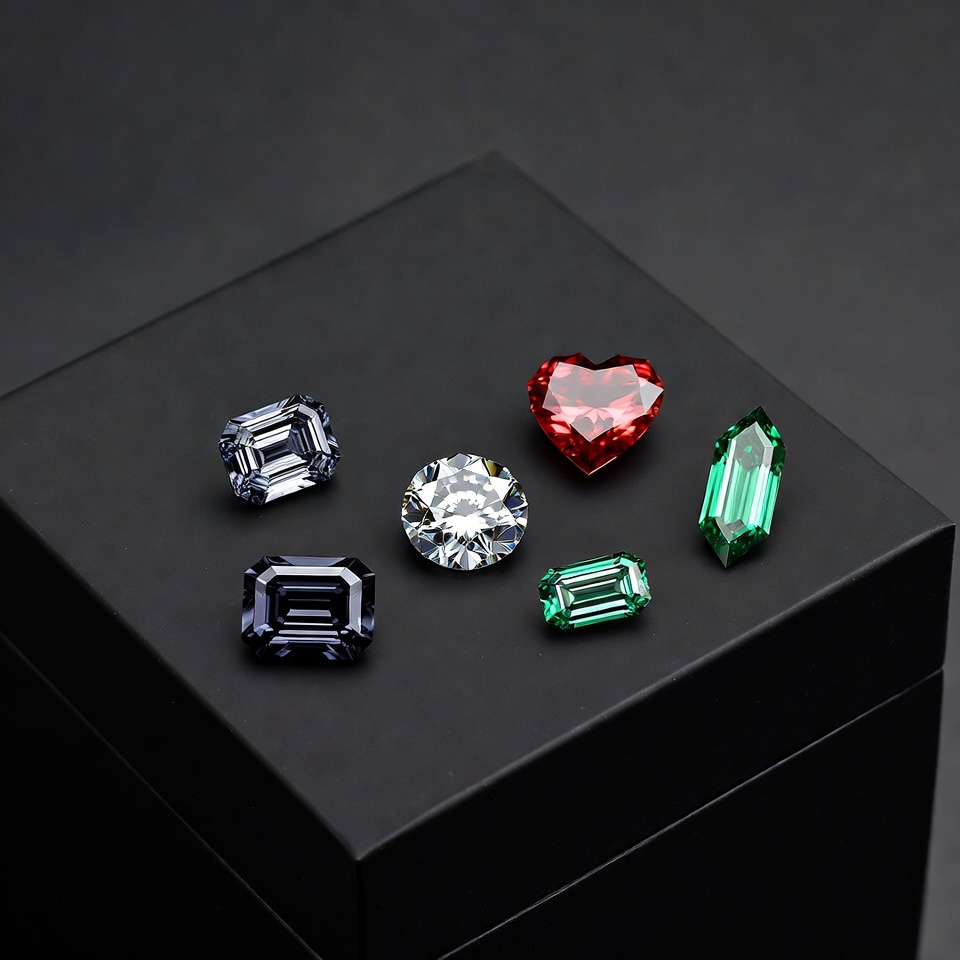
Lowest risk, highest consistency:
Round brilliant — reliable sparkle and fewer unpleasant surprises.
Highest “looks bigger for the money,” but requires stricter screening:
Oval, pear, marquise — huge spread potential + bow-tie variability.
More sophisticated, less sparkly, more clarity-sensitive:
Emerald, Asscher — elegance; clarity/transparency matter more.
Modern glamour with strong performance when cut well:
Cushion, radiant, princess — verify optics; cut quality varies.
Rule of thumb: the more “fancy” the shape, the more careful you must be.
Step 6: Use the “Sweet Spot” Strategy (Where Value Lives)

Most buyers waste money by upgrading grades that don’t change appearance.
Clarity sweet spots (general guidance)
- For many rounds: VS1–VS2 is often eye-clean
- For step cuts: you may prefer higher clarity
- VVS can be peace of mind, but often not a visible upgrade
Color sweet spots (general guidance)
- White metals: F–G often reads colorless face-up
- Yellow/rose gold: you can often go lower without noticing warmth
You’re buying the best-looking diamond for the money.
Step 7: Screening Diamonds Online
A refined selection method—built to reveal real-world performance, not paper perfection.
Phase 1: Establish the field (10–30 stones)
- Shape
- Carat range (never a fixed target)
- Color range
- Clarity range
- Cut grade where applicable (reference, not a promise)
Phase 2: Remove the irrelevant (fast)
- Excess depth that hides size (weight without presence)
- Proportions that undermine the shape’s character
- Overly strict grades that inflate cost without a visual return
- Missing reports or incomplete documentation
Phase 3: Visual judgment (where diamonds separate themselves)
Compare three to six finalists side-by-side using the best available video and imagery.
- Light that moves with intention—never flat, gray, or glassy
- Crisp facet definition (clean edges, not soft or “mushy” reflections)
- Transparent appearance with no haze, fog, or milky diffusion
- Inclusions evaluated by type + placement, not the grade line
- Neutral undertone—gray or brown casts become obvious only in direct comparison (especially lab-grown)
This is not analysis. It’s recognition.
Side-by-side viewing tells you the truth in seconds.
Phase 4: Choose the best real-life performer
Your final pick should hold the eye. Not the highest grade. Not the cleanest report. The one that looks unmistakably alive.
Step 8: What Certificates Can’t Tell You (And How to Protect Yourself)
Certificates are essential. They are not the finish line.
- how lively the stone looks in motion
- whether it appears hazy in real life
- how inclusions interact with light performance
- subtle undertone perception in varied lighting
That’s why you verify with inspection media, choose strong policies, and inspect immediately upon arrival.
Risk management is part of online diamond buying.
Step 9: Don’t Get Tricked by “Cut Grade” Alone
An “Excellent” cut grade is a starting point—not a guarantee. Two diamonds can share the same grade and look completely different in real life.
Myth: “Excellent cut” automatically means “beautiful.”
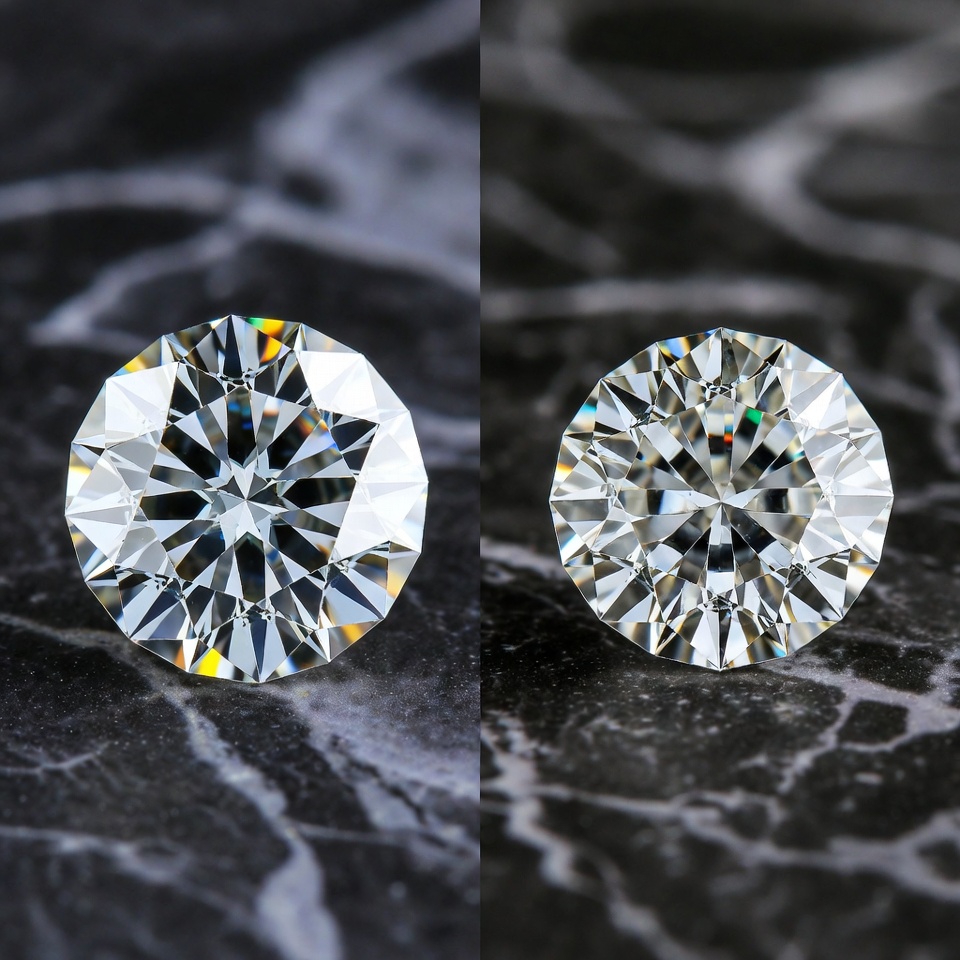
Reality: Cut grades are broad. They don’t fully capture light behavior, pattern precision, or how a diamond performs in motion.
What to do instead:
- Screen proportions appropriate to the shape
- Verify optical performance using video or high-quality imagery
- Compare finalists side-by-side
Your goal is not the best grade on paper, but crisp patterning, strong contrast, and lively scintillation.
Step 10: Settings, Metals, and Style (How Not to Accidentally Ruin Your Diamond)
Buyers obsess over diamonds and treat the setting like a footnote—then choose a setting that hurts the result.
- makes the diamond look smaller
- sits too high and snags
- doesn’t match lifestyle
- is hard to resize
- doesn’t protect the stone
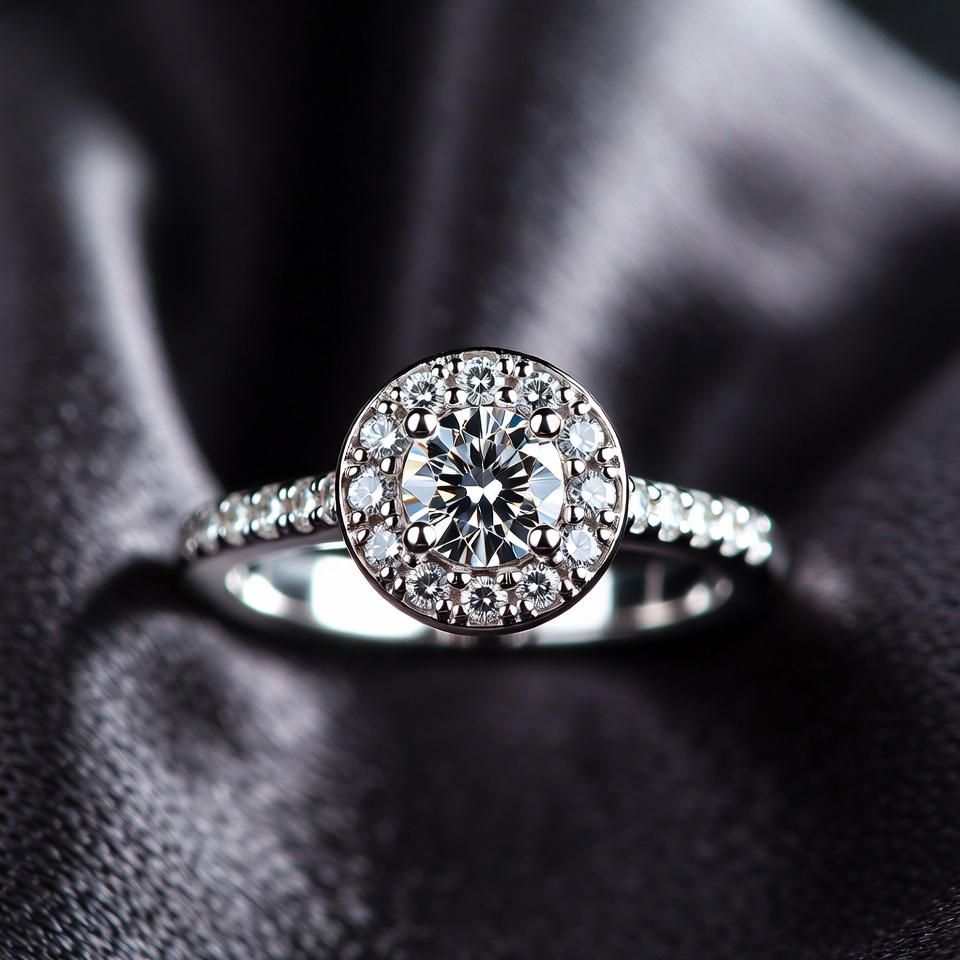
Setting choices that maximize visual impact
- Solitaire: timeless, easy to clean
- Halo: amplifies size, with added maintenance trade-offs
- Hidden halo: discreet sparkle without altering the top view
- Three-stone: symbolic, but needs balanced proportions
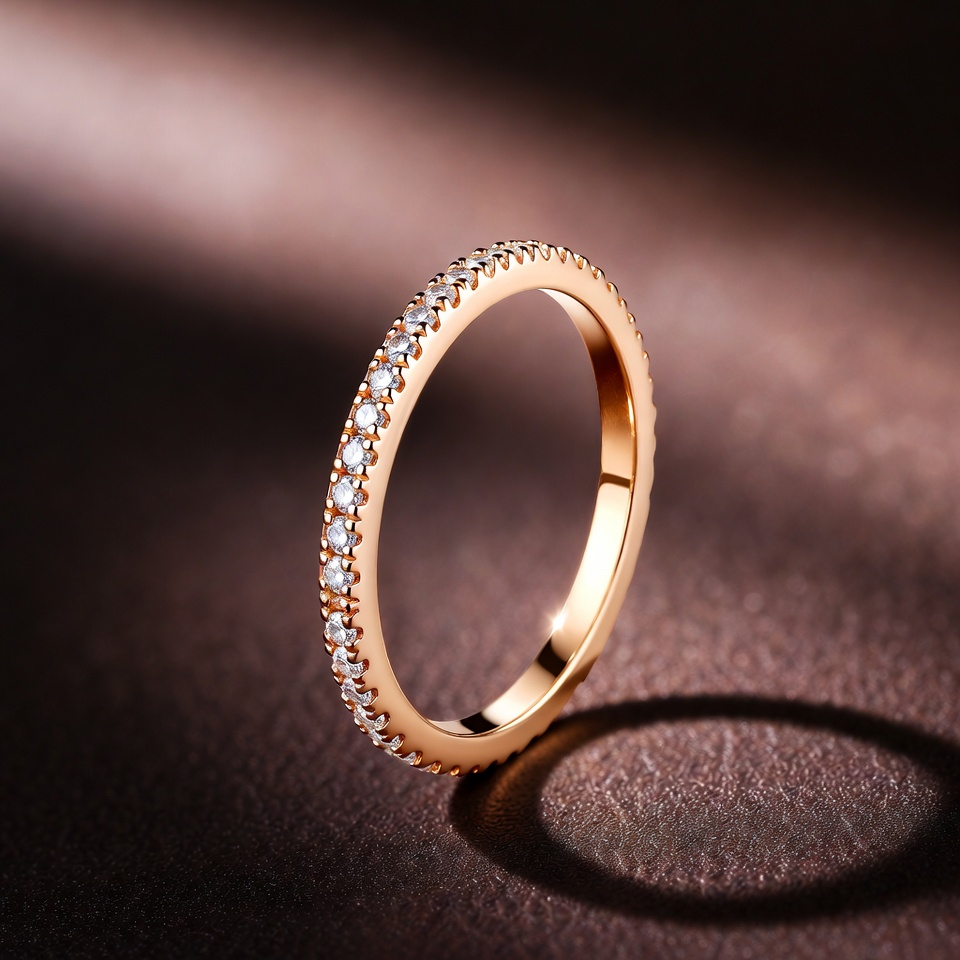
Metal impacts color perception
- Platinum/white gold: shows color more
- Yellow/rose gold: can tolerate warmer diamonds
- Wear behavior matters : platinum patinas; gold keeps shine but thins over time
- Tip: match metal to your color tolerance, not trends
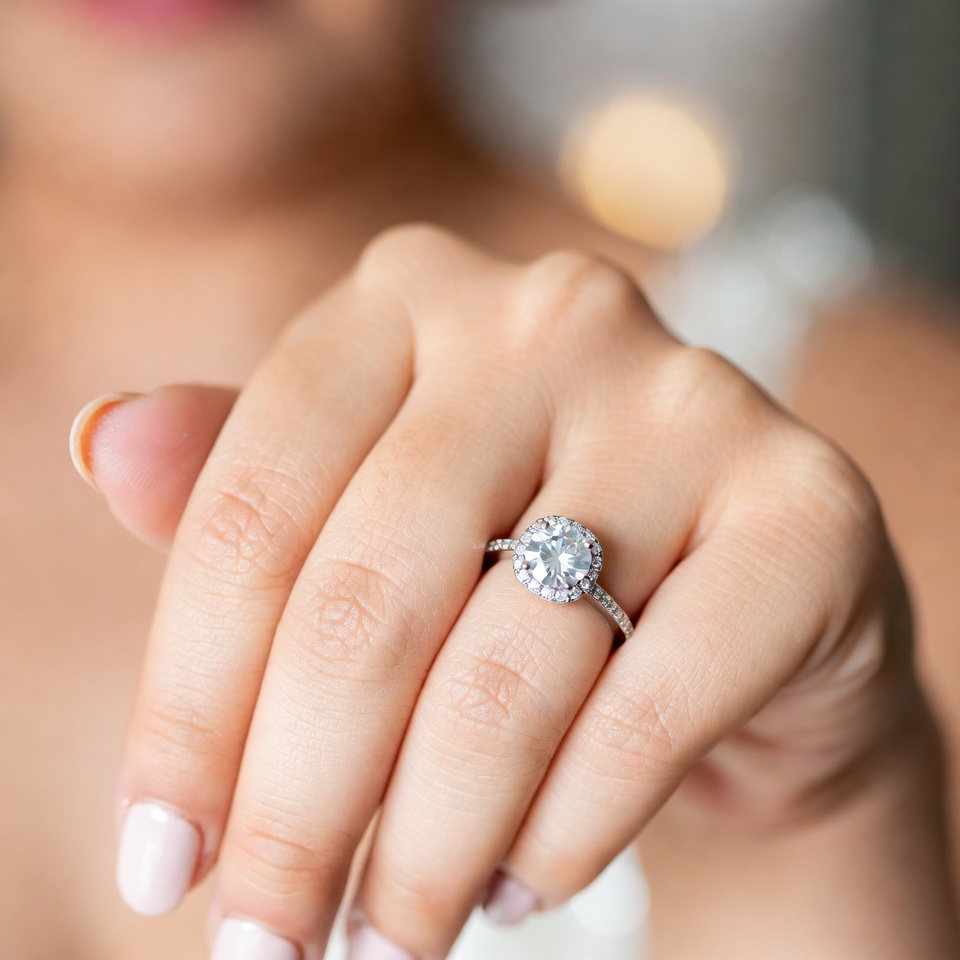
Lifestyle fit matters more than Instagram
- lower profile settings are often safer
- secure prongs / protective designs matter
- consider cleaning access (dirt kills sparkle)
- choose comfort and durability first
Step 11: Ring Size and Resizing Strategy
Sizing mistakes are common online. Your strategy:
- Get a reliable ring size measurement if possible
- Choose a setting that is resizable if uncertain
- Avoid extreme sizing changes when possible
- Understand some designs are harder to resize
If your retailer offers resizing, read the eligibility details (policies vary).
Step 12: Shipping, Returns, and Inspection — The Unboxing Protocol
Your unboxing behavior determines whether you can easily return/exchange if needed.
Your inspection protocol (simple and effective)
- Open carefully, keep everything — keep tags and docs.
- Clean hands, no lotions — oil can create panic.
- Inspect in multiple lighting environments
- indoor diffuse light (most honest)
- near a window (bright but not harsh)
- under a strong direct light (sparkle, but can hide issues)
- quick outdoor shade check if possible
- Look for real red flags
- haze / sleepiness
- dead center inclusion
- undertone (gray/brown cast)
- looks smaller than expected (spread issue)
- If buying a ring: check craftsmanship
- prongs even and secure
- stone centered
- no rattling
- comfort and profile feel
If something feels off, don’t rationalize. That’s why return windows exist.
Step 13: Payments, Financing, and YMYL-Safe Advice
This is a high-cost purchase. Protect yourself financially without getting sold a fantasy.
- Use payment methods with strong consumer protections
- Keep documentation: receipt, grading report, communication
- If financing, understand total cost and avoid stretching beyond comfort
- Don’t buy a diamond that creates long-term financial stress
Diamonds are emotional purchases. They should not become long-term financial regret.
Step 14: Appraisals, Insurance, and Long-Term Ownership
Insurance
Insurance isn’t paranoia. It protects against loss, theft, and accidental damage.
- loss
- theft
- accidental damage
Appraisals
Useful for insurance documentation and confirming details match what you purchased.
- insurance documentation
- confirming details match your purchase
Note: appraisals often reflect replacement value, not resale value.
Maintenance
A diamond ring is not “set it and forget it.”
- periodic prong checks
- professional cleaning occasionally
- avoid harsh chemicals and rough wear
Most “my diamond looks dull” issues are actually:
- dirt and oil buildup
- scratches on metal
- prongs loosening
Step 15: The Online Diamond Buying Checklist (Final Decision Tool)
Use this when you’re down to 1–3 finalists.
Diamond quality (visual)
- Does it look bright and crisp in motion?
- Is contrast strong (not flat/gray)?
- Any haze/milkiness?
- Any persistent undertone?
- Are inclusions safe and off-center?
- Is spread strong for the weight?
Documentation
- Is the grading report available and reputable?
- Do specs match what’s displayed?
Retailer safety
- Clear return/exchange terms?
- Clear warranty/resizing info?
- Customer support reachable?
Setting (if applicable)
- Secure design for lifestyle?
- Resizable if needed?
- Profile comfortable?
Buyer confidence
- Do you feel good, not pressured?
- If you received it tomorrow, would you be excited—not anxious?
If you can say “yes” across the board, you’re in the top tier of outcomes.
Common Online Diamond Buying Myths (That Cause Bad Decisions)
Myth: “Higher clarity always looks better.”
Inclusion placement matters more than grade lines.
Myth: “A certificate guarantees sparkle.”
Certificates don’t quantify optical performance the way buyers assume.
Myth: “The biggest carat wins.”
Sparkle often wins attention before size.
Myth: “Lab-grown and natural should be judged the same way.”
Lab-grown can have unique transparency/undertone behaviors. You screen accordingly.
Myth: “I’ll know it’s right after I buy it.”
Confidence is built before purchase—by process—not after.
FAQs: How to Buy a Diamond Online
Is it safe to buy a diamond online?
It can be very safe if the retailer provides strong inspection evidence, clear documentation, and buyer-friendly policies—and if you inspect immediately upon arrival.
What matters most when buying a diamond online?
Optical performance (cut/brightness/contrast), transparency (no haze), inclusion placement, spread (mm), and strong return protection.
Should I buy natural or lab-grown online?
Choose lab-grown for size/value today; choose natural for rarity/tradition and potentially stronger long-term retention. Neither is a guaranteed investment.
What’s the best clarity for an online diamond purchase?
Often VS1–VS2 for many diamond shapes if eye-clean. Step cuts may benefit from higher clarity. Always verify visually.
What’s the best color for value?
Often F–G in white metals; you can often go warmer in yellow/rose gold. Align color strategy with metal and your sensitivity.
Should I get insurance?
If it’s meaningful value and you’d be upset to lose it, insurance is worth considering. It’s risk-management, not a luxury add-on.
Final Word: The Best Way to Buy a Diamond Online
The best online diamond buyers don’t have the most diamond knowledge. They have the best decision system.
Filter smart → verify beauty → protect with policies → inspect immediately → enjoy without regret.
If you do that, buying online isn’t risky—it’s efficient, transparent, and often the best value path.
