

Creative Studio
Diamond Shapes: The Ultimate Guide to Choosing the Perfect Cut
Learn how each diamond shape changes sparkle, size perception, durability, and value—then jump straight into the shape that fits your style and budget.
Why Diamond Shape Is the Most Important Choice You’ll Make
I’ve spent over 12 years inside the diamond industry—working across sourcing, retail floors, and lab reports—and one pattern never changes: diamond shape has the biggest impact on how a ring looks, feels, and holds value.
Not carat.
Not color.
Not even clarity.
Shape controls the “personality” of a diamond: how it returns light, how large it appears for the weight, how visible inclusions look, and how durable it is in real-life wear. It also dictates your setting options (prongs vs. bezel vs. halo), maintenance needs, and whether you’ll love the look for years—or feel like you compromised.
This page is your central authority hub for understanding the most popular diamond shapes—Round, Oval, Emerald, Cushion, Princess, Marquise, Pear, Asscher, Heart, and Radiant.
If you’re exploring different diamond cuts and not sure which one is right for you, start with our guide on how to buy a diamond online to learn what matters most before you shop. If you’re ready to compare trusted sellers, see our picks for the best place to buy diamonds online. If you’d rather research retailers in more detail, browse our diamond retailer reviews, including our James Allen review, Blue Nile review, and James Allen vs. Blue Nile comparison.
What Is a Diamond Shape (and Why It’s Not the Same as Cut)
Before comparing shapes, you need one key distinction that many sellers blur:
- Diamond Shape = the outline (round, oval, emerald, cushion, etc.).
- Diamond Cut = how well the diamond is proportioned and faceted to return light (e.g., Excellent, Very Good).
A Round diamond can be poorly cut (and look glassy). An Emerald cut can be expertly cut (and look breathtaking). Shape defines geometry and style; cut quality defines light performance.
For cut fundamentals and grading language, use primary sources first: GIA’s official cut education. For consumer protection language and marketing claims, consult the FTC Jewelry Guides.
Quick Comparison: Popular Diamond Shapes at a Glance
| Shape | Brilliance | Face-Up Size | Price Efficiency | Style Vibe |
|---|---|---|---|---|
| Round | ⭐⭐⭐⭐⭐ | Medium | $$$ | Classic, timeless |
| Oval | ⭐⭐⭐⭐½ | Large | $$ | Elegant, elongating |
| Emerald | ⭐⭐⭐ | Large | $$ | Sophisticated, clean |
| Cushion | ⭐⭐⭐⭐ | Medium-Large | $$ | Romantic, vintage |
| Princess | ⭐⭐⭐⭐½ | Large | $$ | Modern, sharp |
| Marquise | ⭐⭐⭐⭐ | Very Large | $ | Bold, dramatic |
| Pear | ⭐⭐⭐⭐ | Large | $$ | Feminine, distinctive |
| Asscher | ⭐⭐⭐ | Medium | $$ | Art Deco, architectural |
| Heart | ⭐⭐⭐ | Medium | $$$ | Symbolic, expressive |
| Radiant | ⭐⭐⭐⭐½ | Large | $$ | Sparkly, modern |
Fastest Way to Pick a Shape (30-Second Filter)
- Want maximum sparkle + easiest buying? Start with Round or Oval.
- Want clean, luxury “mirror” flashes? Look at Emerald or Asscher.
- Want best size illusion for budget? Consider Marquise or Pear.
- Want romantic/vintage softness? Explore Cushion.
- Want modern angles + brilliance? Try Princess or Radiant.
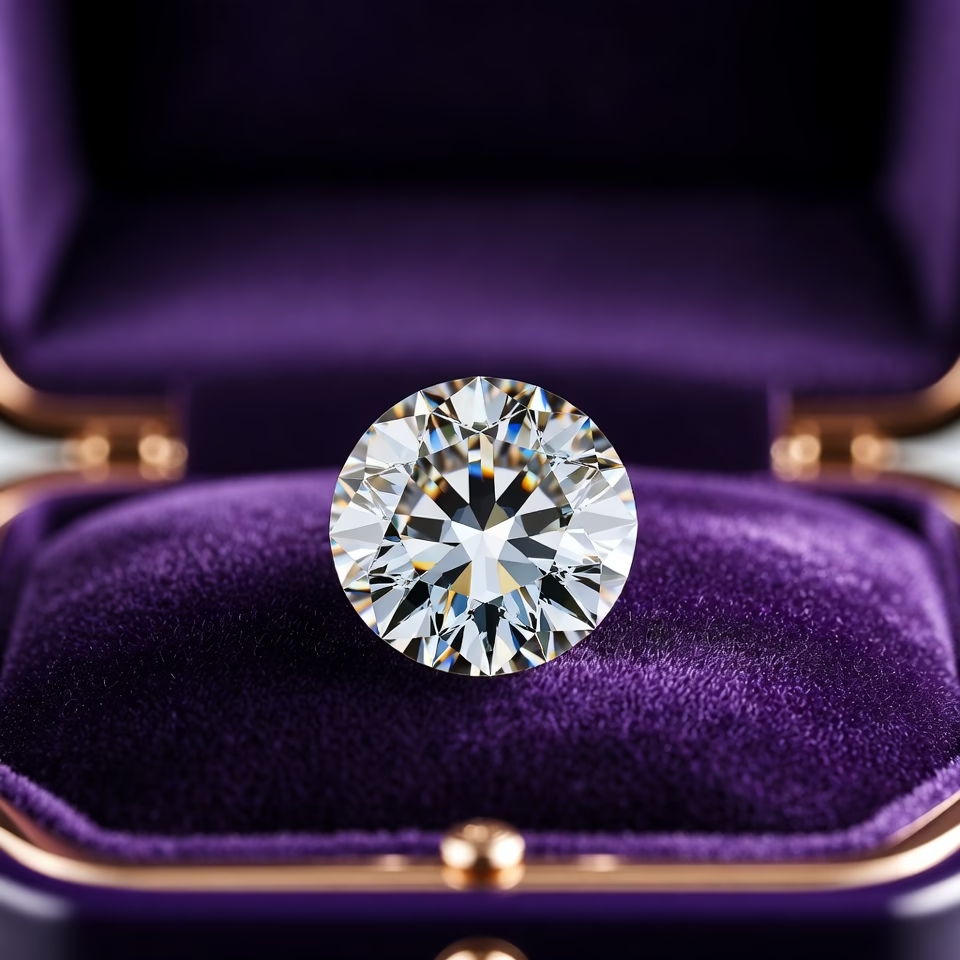
Round Brilliant Diamonds
The safest “can’t-go-wrong” shape when you want maximum sparkle, consistent cut standards, and long-term demand.
Why buyers love it
- Top light return: balanced brilliance + fire.
- More forgiving: inclusions hide better than step cuts.
- Easy to compare: standards are more consistent online.
Watch-outs
- Highest $/carat due to demand and rough yield.
- “Excellent” can still vary—use video.
- Often faces up smaller than elongated shapes.
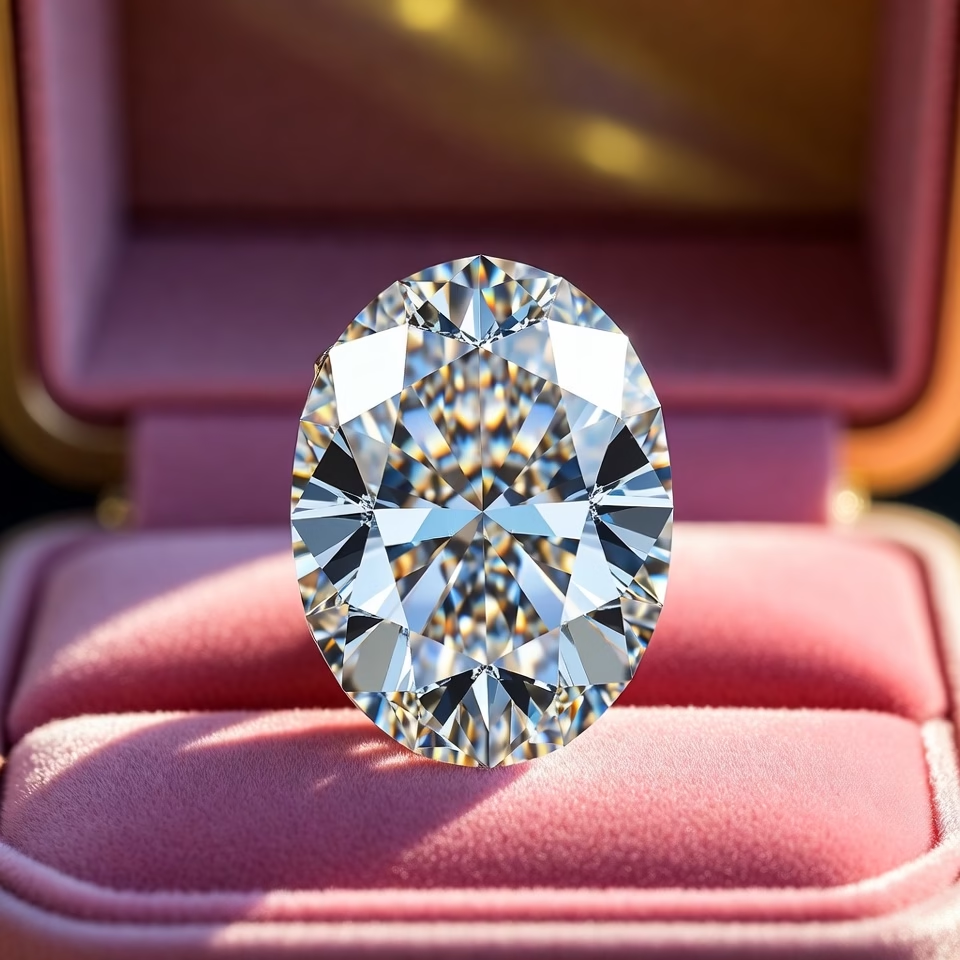
Oval Diamonds
A near-round sparkle profile with extra finger coverage—often the best “looks bigger” upgrade without round pricing.
Strengths
- Faces up large for the weight.
- Elongates fingers naturally.
- Works in solitaires, halos, and three-stone settings.
Bow-tie reality
- Some bow-tie is normal.
- Reject bow-ties that stay dark in motion.
- Video matters more than paper for ovals.
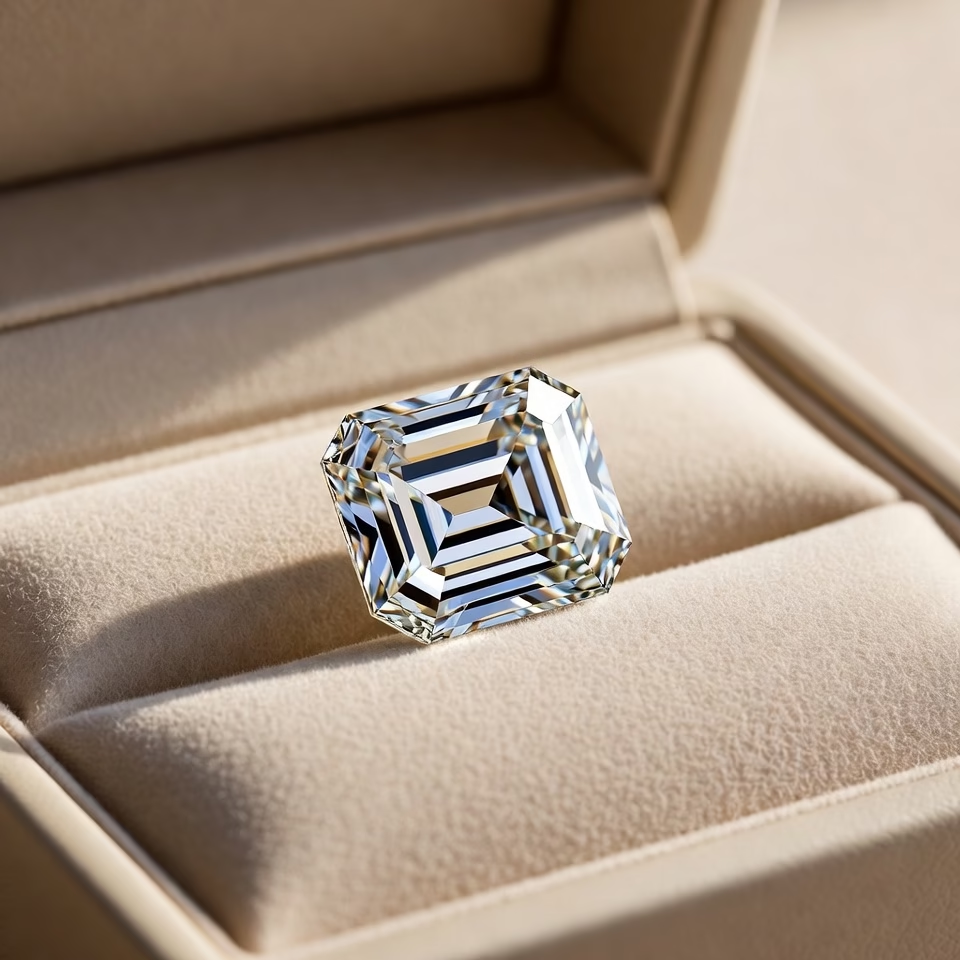
Emerald Cut Diamonds
Step-cut elegance: fewer “glitter” flashes, more bold mirror-like light bands. Looks expensive when proportions and clarity are right.
Signature look
- “Hall-of-mirrors” flashes.
- Strong editorial / minimalist vibe.
- Often appears larger face-up than many shapes.
Key risks
- Shows inclusions more easily.
- Warm color may show more.
- Avoid “windowing” (watery/see-through zones).
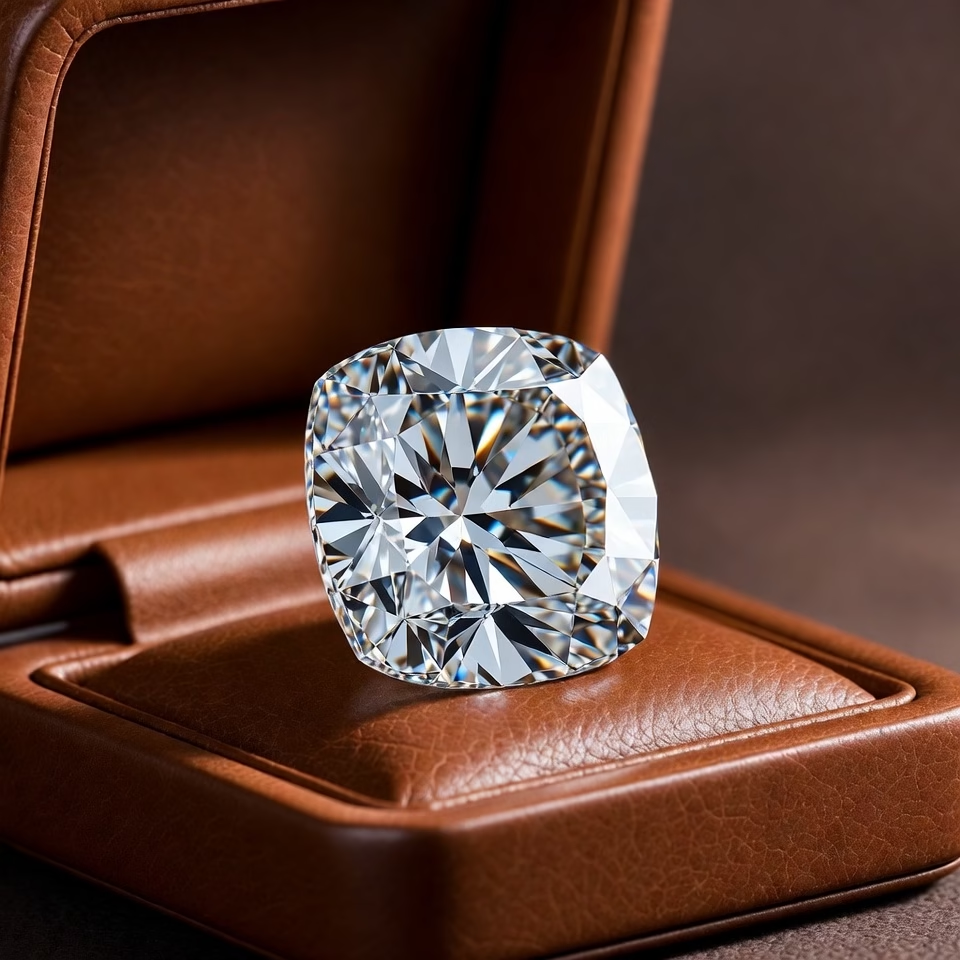
Cushion Cut Diamonds
Soft corners + huge variety in facet patterns. Always decide first: chunky flashes or crushed-ice shimmer.
Two cushion “families”
- Chunky/Brilliant: larger flashes, round-ish vibe.
- Crushed ice: glittery texture, lots of small sparkle.
Avoid
- Very deep stones that look small.
- Mushy outlines / uneven corners.
- Low-quality video listings (cushions need visuals).
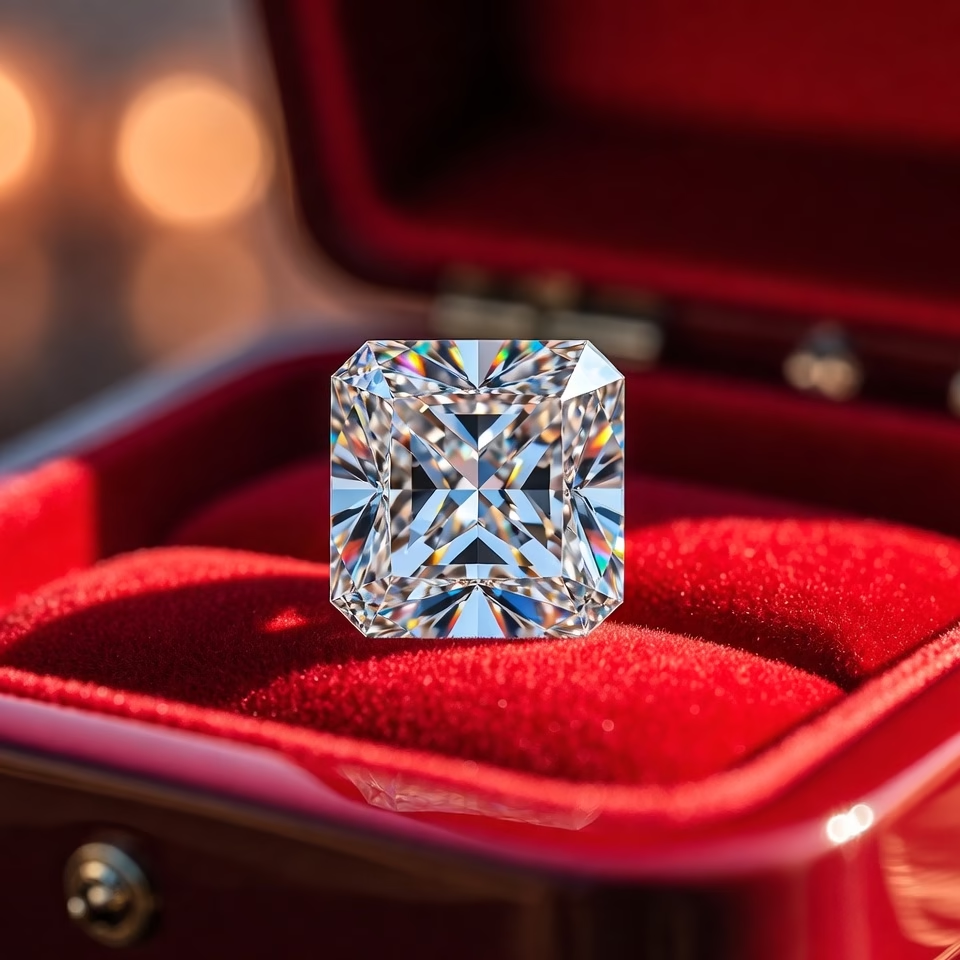
Princess Cut Diamonds
Bold, bright brilliance in a crisp square—often excellent value, but corner protection matters for everyday wear.
Why it wins
- High brilliance for the price.
- Sharp geometry looks modern.
- Great in halos and solitaires.
Durability check
- Use V-prongs (or bezel) for corners.
- Avoid exposed corners if active.
- Confirm even brightness in video.
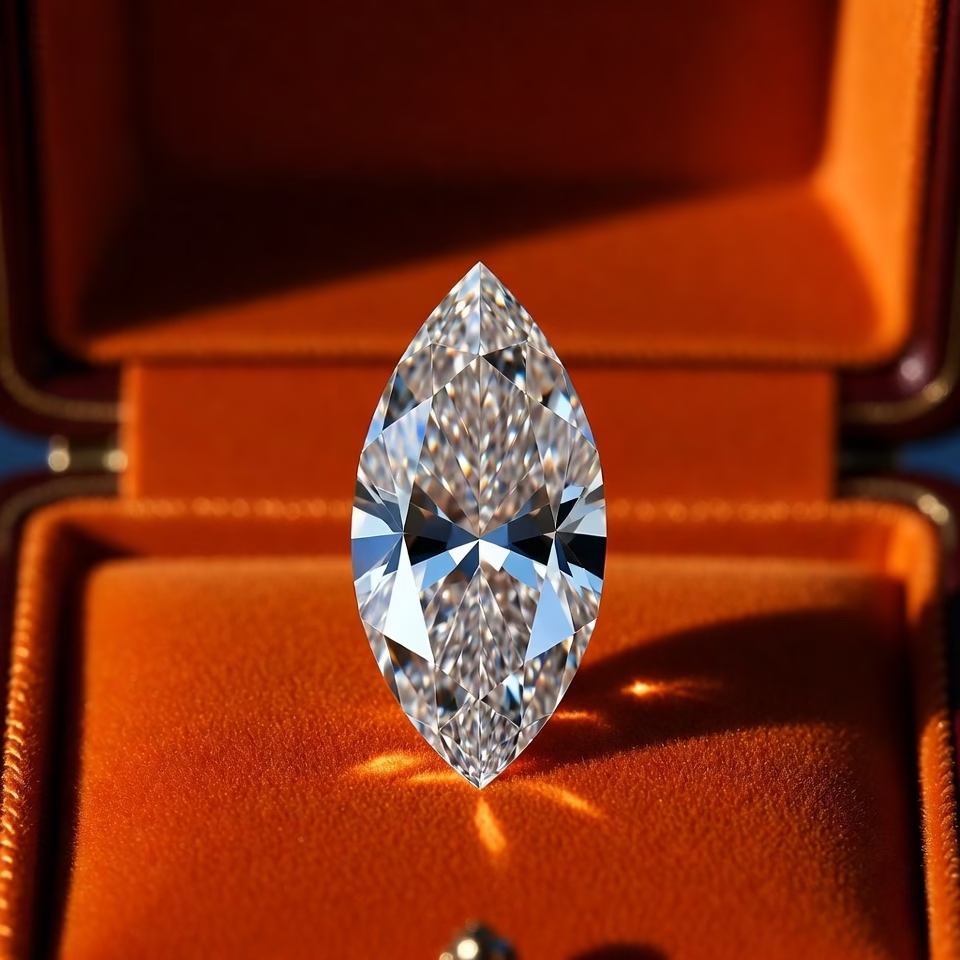
Marquise Diamonds
One of the biggest-looking silhouettes per carat. The payoff is huge—if symmetry is clean and bow-tie is controlled.
Big advantages
- Exceptional finger coverage.
- Elegant elongation effect.
- Often priced efficiently vs. round.
Don’t compromise on
- Symmetry (both sides must match).
- Tip protection (prongs are essential).
- Video review to spot bow-tie and dead zones.
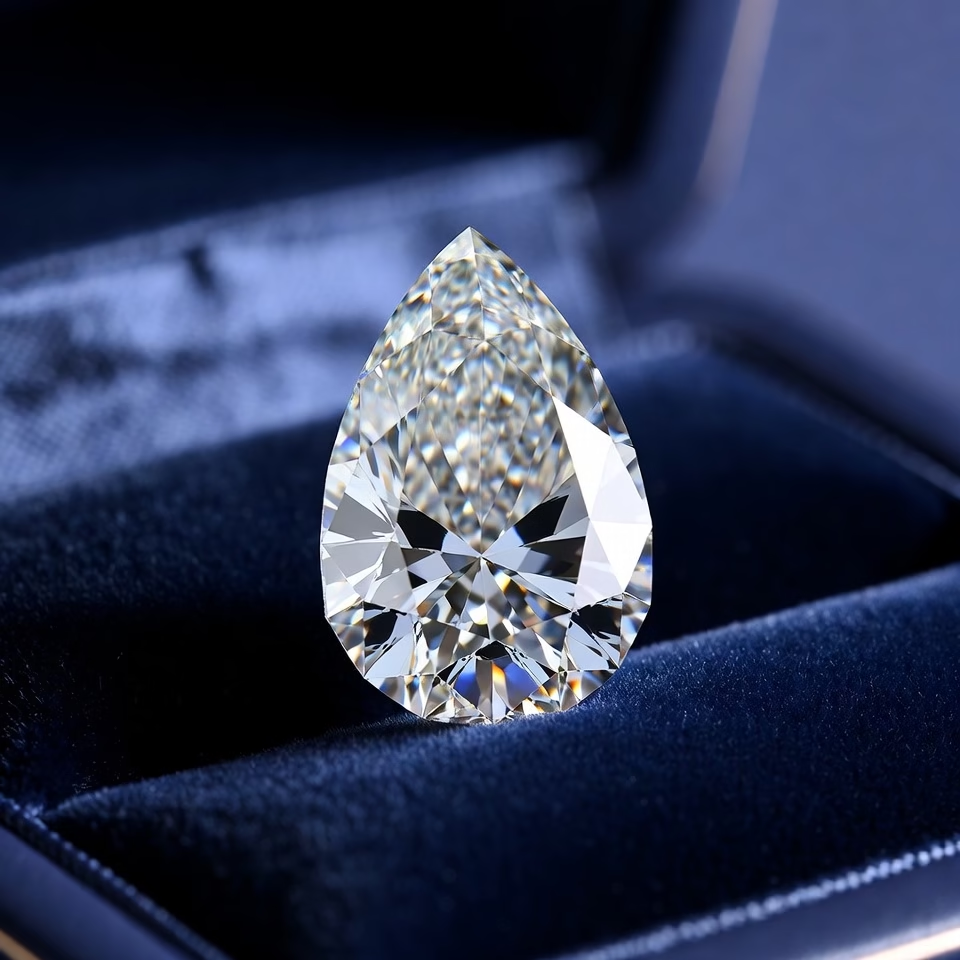
Pear-Shaped Diamonds
A flattering blend of oval softness and pointed drama. Great for size illusion—best when symmetry and tip protection are handled.
Why it’s a favorite
- Elongates fingers naturally.
- Often appears larger than its carat weight.
- Works in both modern and vintage settings.
Top risks
- Bow-tie (check video).
- Asymmetry (shoulders must match).
- Tip vulnerability (secure prong or bezel).
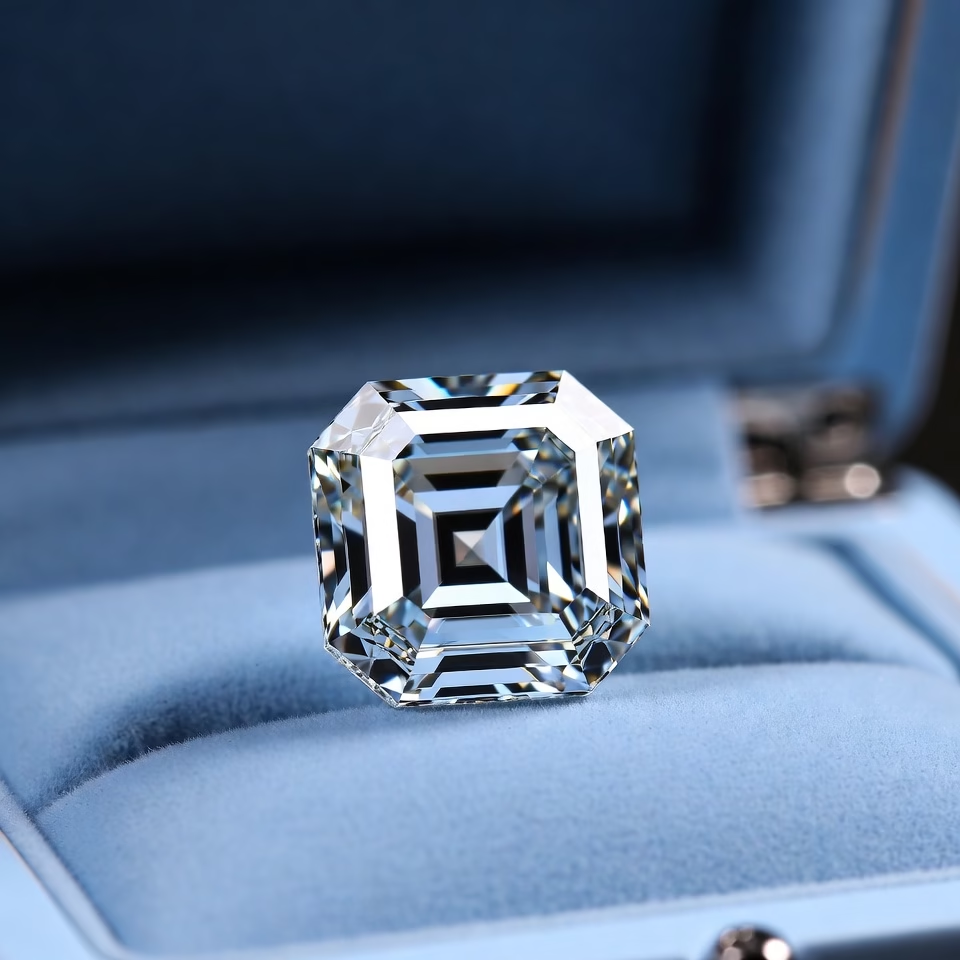
Asscher Cut Diamonds
Architectural step-cut symmetry with hypnotic depth. Smaller face-up than some shapes—but looks intensely premium when chosen well.
What to love
- Strong hall-of-mirrors effect.
- Clean geometry and designer vibe.
- Pairs beautifully with vintage settings.
Choose carefully
- Step cuts show inclusions more.
- Compare mm measurements (spread varies).
- Avoid watery centers and dull steps in video.
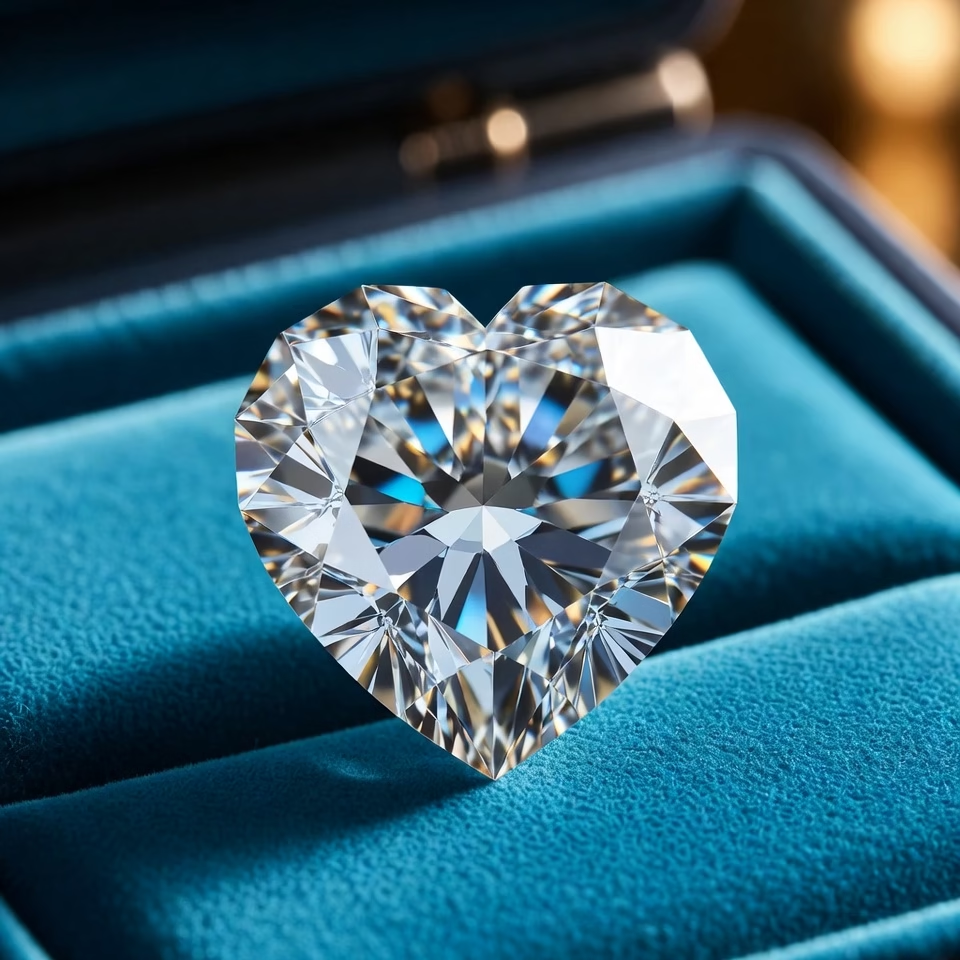
Heart-Shaped Diamonds
Emotion-forward and visually unforgiving. Hearts only look “right” when symmetry, cleft shape, and outline balance are excellent.
What makes it beautiful
- Even lobes and balanced cleft.
- Clean outline (not cartoonish).
- Strong sparkle without persistent dark zones.
Non-negotiables
- Excellent symmetry/polish (where available).
- Tip protection (prongs/bezel).
- Video inspection is mandatory.
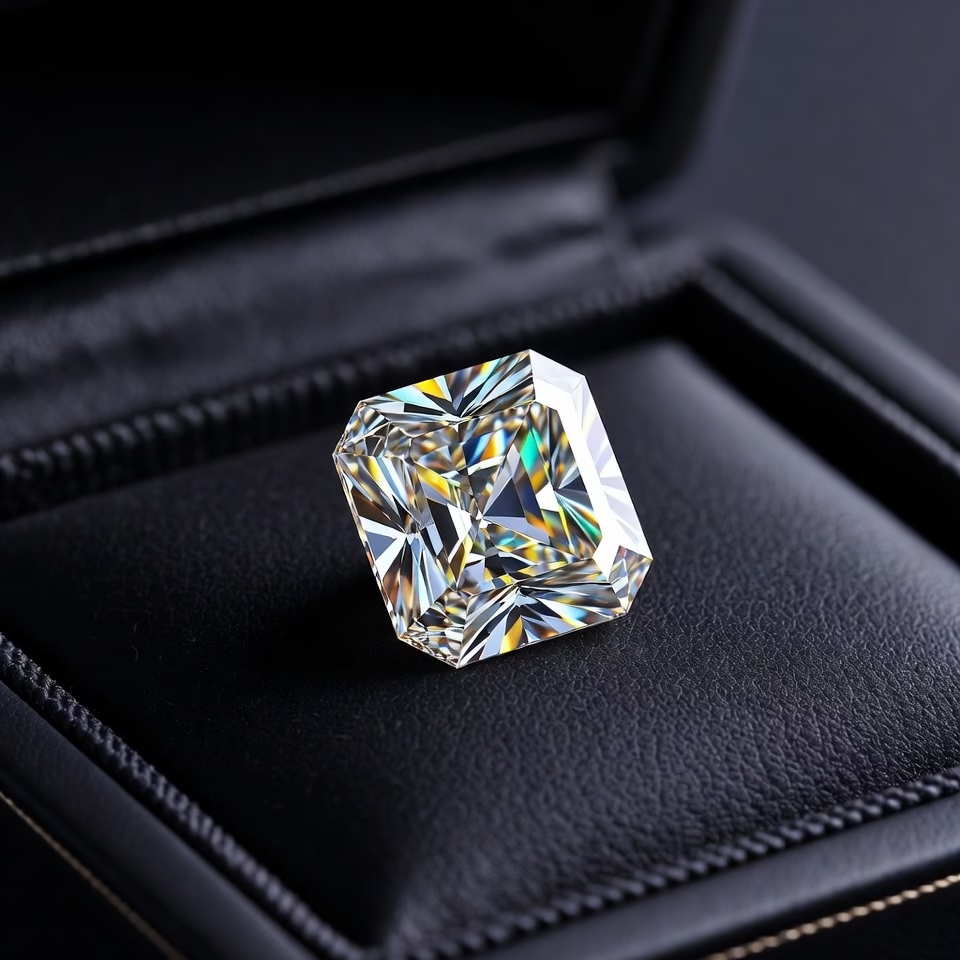
Radiant Cut Diamonds
A structured outline with brilliant faceting. Often the best compromise if you love emerald shape but want far more sparkle.
Why it’s practical
- High sparkle and lively movement.
- More forgiving to inclusions.
- Cropped corners can be wearable.
Tradeoffs
- Can look “busy” (crushed-ice texture).
- Deep cuts can shrink face-up size.
- Confirm bright corners in video.
How Diamond Shape Affects Price (The Buyer’s Pricing Reality)
Diamond shape impacts pricing mainly through rough yield (how efficiently a cutter can shape the rough) and market demand (what buyers pay premiums for). Rounds typically cost more because cutting round rough often wastes more material and demand remains consistently high.
- Round = usually the highest price per carat.
- Most fancy shapes = often 10–40% lower per carat (depending on size/quality/demand).
YMYL note: Prices change constantly. Use this as a framework—not a quote. Compare by the same lab, similar specs, and face-up measurements.
How to Choose the Right Diamond Shape (A Practical Decision Framework)
Use these four questions to narrow your options quickly:
- Sparkle preference: Do you want maximum glitter/brilliance (Round/Oval/Radiant) or clean mirror flashes (Emerald/Asscher)?
- Size appearance: Do you want the biggest face-up look per carat (Marquise/Pear/Oval) or a more compact footprint (Round/Asscher)?
- Durability needs: Daily wear? Choose protective settings for tips/corners.
- Style identity: Timeless, vintage, modern, or symbolic?
If two shapes remain, compare them in your preferred setting style—because setting can amplify or reduce the best features of a shape.
Why You Can Trust This Guide (EEAT + YMYL Compliance)

Nassim Parker — Diamond Industry Specialist (12+ Years)
This guide is written and reviewed by Nassim Parker, with 12+ years evaluating diamonds across sourcing, grading reports, and real buyer decision-making. The goal is clarity, not hype: what changes beauty and value in the real world, what to verify before purchase, and where shoppers commonly overpay.
Methodology
- Primary-source alignment: lab education and consumer protection standards.
- Visual-first selection: emphasizes videos and measurements over paper-only shopping.
- No price guarantees: avoids speculative pricing claims (YMYL-safe).
Authoritative references used: GIA, FTC Jewelry Guides, CIBJO.
Disclosure: Educational content only. Always verify grading reports, inspect videos, compare face-up measurements, and confirm return/upgrade policies.
Frequently Asked Questions (Expandable)
Which diamond shape sparkles the most in real life?
Round brilliant typically delivers the strongest and most balanced sparkle. But sparkle is still cut-dependent—so always confirm with HD video and prioritize cut performance.
What diamond shape looks biggest for the same carat weight?
Marquise, Oval, and Pear usually deliver the strongest size illusion. Compare by millimeter spread (length × width) and avoid deep cuts that hide weight.
Which shapes hide inclusions best (best “eye-clean” value)?
Brilliant-style faceting hides inclusions better. Radiant, Oval, Cushion, Princess tend to be more forgiving. Emerald/Asscher show inclusions more easily.
Do elongated diamonds always have a bow-tie?
Some bow-tie can be normal. The problem is a persistent dark bow-tie visible through motion. Judge severity by video—lab reports don’t quantify it.
Which shape is best for daily wear durability?
Durability is shape + setting. Round and many Cushions are easier to protect. Shapes with tips/corners (Princess; Pear/Marquise/Heart) need V-prongs or bezels.
Oval vs Round: which is better value?
Oval often looks larger face-up for the money; Round is the benchmark with consistent demand and easier online comparison. Choose based on size illusion vs classic performance.
What’s the safest way to buy a diamond online?
Use reputable lab reports, insist on HD video, compare face-up measurements, and confirm return/upgrade policies. Weak visuals are a red flag—especially for fancy shapes.
Final Thoughts: Start With Shape, Then Optimize the 4Cs
Choose the shape that matches lifestyle and taste first. Then optimize cut, carat, color, and clarity so your budget goes into what you actually see.
