
Radiant Cut Diamonds: The Complete Guide to Bold Sparkle & Contemporary Glamour
🌟 Introduction: Why Radiant Cut Diamonds Shine With Modern Brilliance
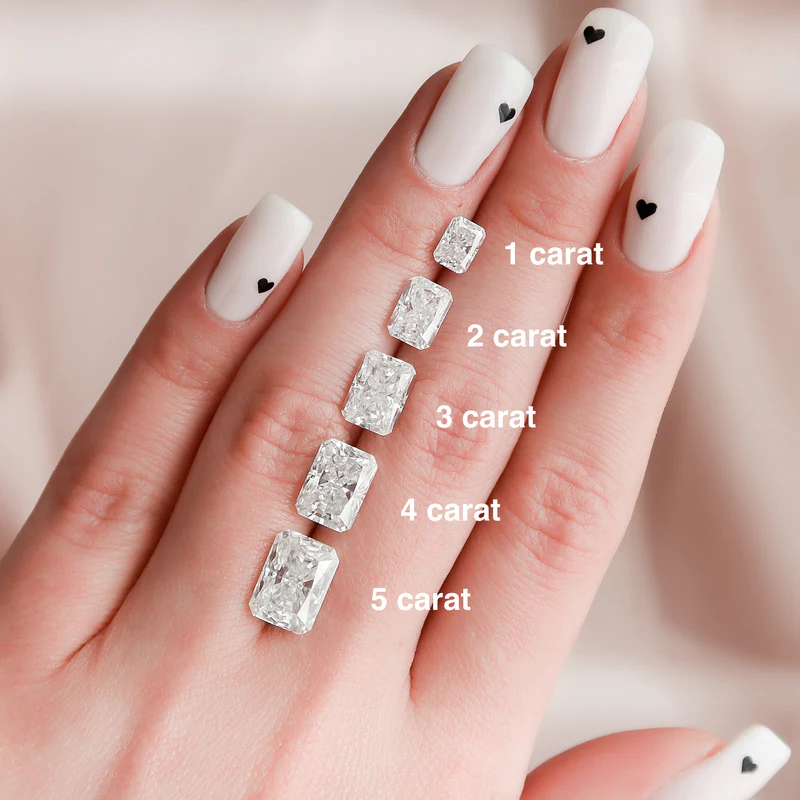
If you’re looking for a diamond that combines the fire of a round brilliant with the bold elegance of an emerald cut, the radiant cut diamond is the perfect hybrid. Known for its square or rectangular shape with beveled corners, the radiant cut delivers exceptional sparkle while offering a modern, edgy appearance.
Check Vow & Carat‘s best Diamond Retail Stores.
Radiant cuts are less common than rounds or princesses, but their rarity makes them appealing for those who want something unique yet dazzling. From Jennifer Lopez’s famous radiant pink diamond to modern halo engagement rings, radiants have become the choice of buyers who want brilliance with a twist.
In this guide, we’ll cover everything about radiant cut diamonds: their history, science, buying tips, real-world inspiration, FAQs, myths, and why they’re a bold and versatile alternative to traditional cuts.
📜 A Brief History of Radiant Cut Diamonds
The radiant cut is a modern creation. It was first introduced in 1977 by master diamond cutter Henry Grossbard. Grossbard wanted to design a cut that blended the sparkle of round brilliants with the sleek shape of emerald and asscher cuts.
The result was the radiant cut: a diamond with 70 facets, cropped corners for durability, and a brilliance rivaling the round but in a square or rectangular silhouette.
💡 Real-World Example: Jennifer Lopez’s pink radiant diamond engagement ring from Ben Affleck (2002) is one of the most famous radiant diamonds ever seen.
Wondering where to buy your next diamond? See our full guide here.
💡 What Makes Radiant Cut Diamonds Unique?
Radiant cuts stand out because they blend characteristics of step cuts and brilliant cuts:
- Shape: Square or rectangular with beveled (trimmed) corners.
- Sparkle: Brilliant-cut faceting for fiery brilliance, like rounds and cushions.
- Durability: Cropped corners reduce risk of chipping (unlike princess cuts).
- Versatility: Works beautifully in both modern and vintage settings.
- Face-Up Size: Appear slightly smaller than ovals or pears but larger than cushions.
📊 Fun Fact: Radiant diamonds are sometimes called “mixed cuts” because they combine step-cut elegance with brilliant-cut fire.
🔍 The 4Cs of Radiant Diamonds
1. ✂️ Cut: Maximizing Brilliance
Radiant cuts don’t have an official “ideal cut” grading, but look for these proportions:
- Depth %: 61–67% (too deep = smaller face-up size).
- Table %: 61–69% (too large = glassy look).
- Length-to-Width Ratio:
- Square radiants → 1.00–1.05
- Rectangular radiants → 1.20–1.35
💡 Pro Tip: Radiants hide inclusions well and minimize the bow-tie effect (unlike ovals).
2. 🎨 Color: Radiants Show Warmth
Radiants tend to emphasize color slightly more than rounds because of their facet style.
- Best Value Range: G–H for white metals.
- Warmer Metals: I–J work well with yellow or rose gold.
- Fancy Colors: Radiants are one of the most popular cuts for colored diamonds (yellow, pink, champagne), as they enhance saturation.
3. 🔍 Clarity: Forgiving but Still Important
Radiants are good at masking inclusions due to their brilliance.
- VS2 or SI1 is often eye-clean and offers the best value.
- Avoid inclusions in the center of the table.
4. 💎 Carat: Bold Look, Balanced Size
Radiants are cut deeper than rounds, so they may look slightly smaller face-up.
- A 1.0ct radiant typically measures ~6.0mm, compared to 6.5mm for a round.
- Rectangular radiants create an elongated, finger-flattering effect.
💡 Example: A buyer choosing a 1.5ct radiant saved ~25% compared to a 1.5ct round while still enjoying fiery brilliance.
💍 Radiant Diamonds in Engagement Rings
Radiant cuts are versatile and striking in a wide variety of settings.
Popular Settings:
- Solitaire: A sleek, modern statement.
- Halo: Maximizes sparkle and enhances size.
- Three-Stone: Radiant center with trapezoid or tapered baguette sides.
- East-West Setting: A rectangular radiant set horizontally for a bold look.
Celebrity Inspiration:
- Jennifer Lopez → 6.1ct pink radiant (2002).
- Khloé Kardashian → Radiant engagement ring with halo.
- Drew Barrymore → 4ct radiant solitaire.
🏆 Advantages of Radiant Cut Diamonds
- Brilliant sparkle → near round brilliance.
- Durable corners → beveled edges resist chipping.
- Versatility → works in modern or vintage settings.
- Value for money → cheaper than rounds.
- Colored diamond enhancer → great for fancy colors.
⚖️ Radiant vs. Other Shapes
| Feature | Radiant Diamond | Round Diamond | Princess Diamond | Emerald Diamond |
|---|---|---|---|---|
| Brilliance | ⭐⭐⭐⭐ | ⭐⭐⭐⭐⭐ | ⭐⭐⭐⭐ | ⭐⭐ |
| Durability | ⭐⭐⭐⭐ | ⭐⭐⭐⭐ | ⭐⭐ | ⭐⭐⭐ |
| Face-Up Size | ⭐⭐⭐ | ⭐⭐⭐⭐ | ⭐⭐⭐ | ⭐⭐⭐ |
| Modern Appeal | ⭐⭐⭐⭐⭐ | ⭐⭐⭐⭐ | ⭐⭐⭐⭐ | ⭐⭐⭐ |
| Price Premium | Medium | High | Low | Medium |
💰 Pricing & Smart Buying Tips
Radiants typically cost 20–30% less than rounds, but more than princesses.
Tips:
- Choose VS2/SI1 clarity for best value.
- Prioritize symmetry and proportions over carat weight.
- Consider rectangular radiants for larger appearance.
- Lab-grown radiants provide huge savings with identical sparkle.
🌍 Ethical & Sustainable Radiants
- Lab-Grown Radiants: Affordable, eco-friendly, and real.
- Conflict-Free Diamonds: Kimberley Process certified.
- Vintage Radiant Rings: Rare but sustainable and unique.
🎯 Advanced Tips
- Ratio Choice: 1.00 for square, 1.25 for rectangular elegance.
- Halo Settings: Enhance radiants’ brilliance and face-up size.
- Lighting Test: Radiants should sparkle under all light conditions.
❓ Extended FAQ on Radiant Cut Diamonds
1. Do radiant cuts sparkle like rounds?
They’re close — radiants are among the most brilliant fancy shapes.
2. Do radiants look bigger than rounds?
No, they face up smaller due to depth, but rectangular radiants appear longer.
3. Are radiants durable?
Yes — cropped corners make them sturdier than princess cuts.
4. What clarity is best?
VS2 or SI1 — inclusions are well hidden by brilliance.
5. What color grade is best?
G–H for white metals, I–J for warm metals.
6. Are radiants trendy or timeless?
Though newer (1977), their hybrid style feels both modern and lasting.
7. Do radiants show bow-ties?
Less than ovals or pears — most radiants have minimal bow-ties.
8. Do they work well in halos?
Yes — halos amplify their fire and presence.
9. Are lab-grown radiants real diamonds?
Yes — chemically and optically identical to mined.
10. Do radiants hide inclusions?
Yes — they mask flaws better than emeralds or asschers.
11. What’s the best ratio for a radiant?
1.20–1.30 for rectangular elegance; 1.00–1.05 for square symmetry.
12. Are radiants good for colored diamonds?
Yes — they intensify fancy colors beautifully.
13. Do radiants cost less than emeralds?
Similar — usually between emeralds and cushions in price.
14. Do radiants hold resale value?
Moderate — less demand than rounds, but uniqueness helps.
15. Are radiants suitable for men’s jewelry?
Yes — especially in bold rings or pendants.
🔮 Myths & Misconceptions
- Myth 1: Radiants are fragile.
Reality: Their cropped corners make them sturdy. - Myth 2: They’re just rectangular princesses.
Reality: They blend brilliant faceting with emerald outlines — very different. - Myth 3: Radiants are only trendy.
Reality: They’ve been around since the 1970s and remain a distinctive choice.
📌 Conclusion: Is a Radiant Diamond Right for You?
If you want a diamond that’s:
✔ Brilliant and fiery
✔ Stronger than princess, sparklier than emerald
✔ Versatile in design
✔ A modern yet timeless hybrid
…then the radiant cut diamond is an excellent choice.
With its bold sparkle, durable design, and unique mix of brilliance and elegance, the radiant cut is perfect for buyers who want something different but dazzling.
